New subdivisions and their rules
Many of Surrey's newer neighbourhoods are planned communities with strata or homeowner associations that set moving hours, truck parking rules, and sometimes gate codes for vendors. We ask customers to confirm these details early and pass them along.
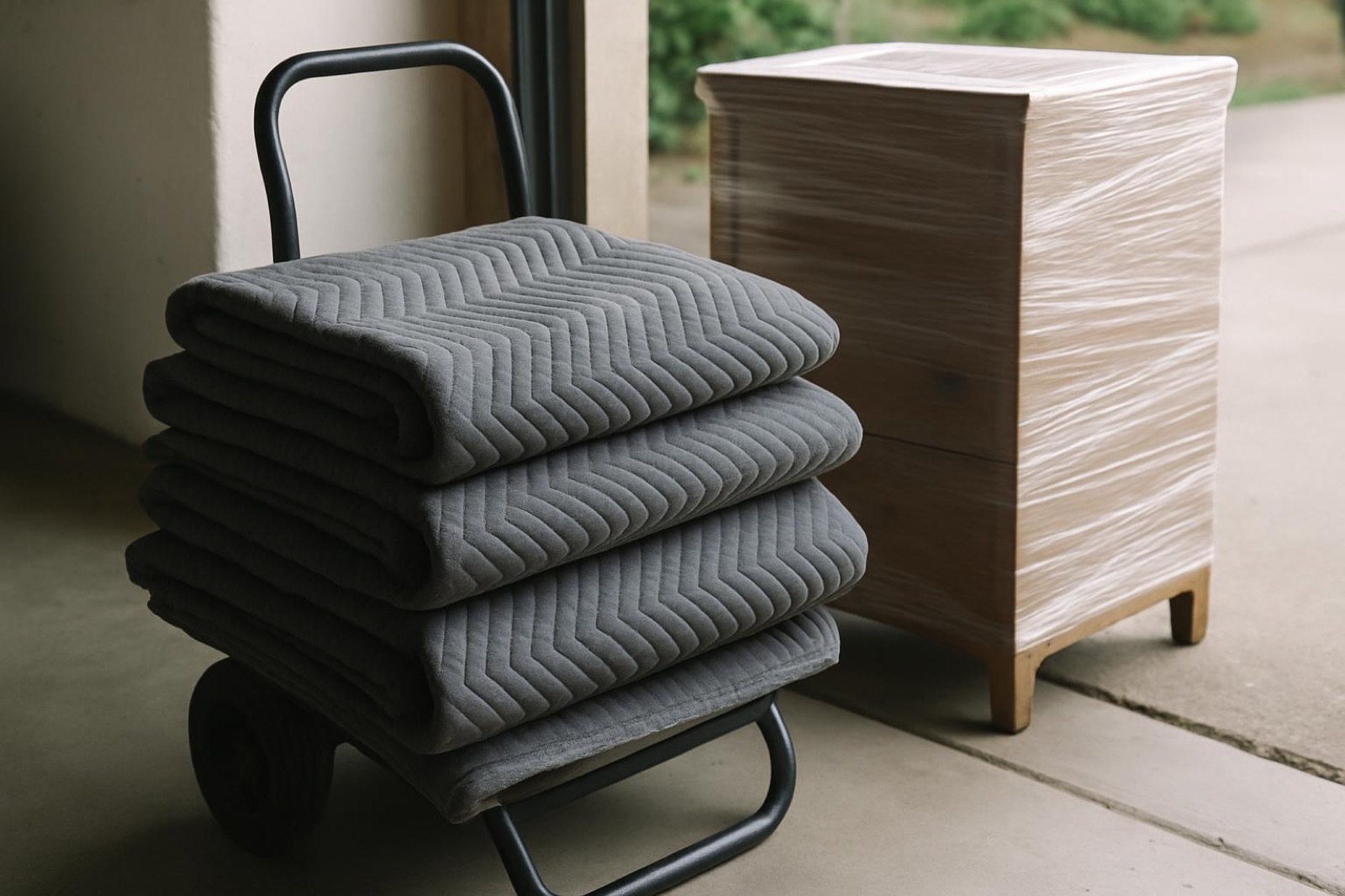
Fresh construction also means fresh floors and paint, so we lay runners and pad every door frame to keep the house looking the way it did on closing day.
Established neighbourhoods
Older parts of Surrey have mature trees, narrower streets in places, and homes with more built-in furniture than newer construction. We check truck access ahead of time so the crew is not stuck carrying a couch from around the corner because a low branch blocks the driveway.
These homes also tend to have accumulated more over the years, so the crew size for an older four-bedroom house is usually a step up from a comparable newer build.
Apartment and townhouse corridors
The apartment and townhouse developments along Surrey's main transit corridors run on booked elevators and fixed moving windows much like Richmond's towers, and many require the same certificate of insurance before confirming a slot.
We have worked in a number of these buildings and generally know the drill before the leasing office explains it.
Distance and timing between the two cities
A move between Richmond and Surrey usually runs through Delta or across one of the river bridges, and travel time depends heavily on which route and what time of day. We plan the route the same way we would plan any cross-city job, checking current conditions rather than assuming the shortest line on a map is the fastest one.
For larger homes, we sometimes split the load across two trips rather than overloading a single run, which keeps the truck safer on longer stretches of highway and gives the crew a chance to reset between loads.
Whichever route the crew takes on a given day, the plan is checked against current traffic before departure rather than relying on the route we happened to use the last time.